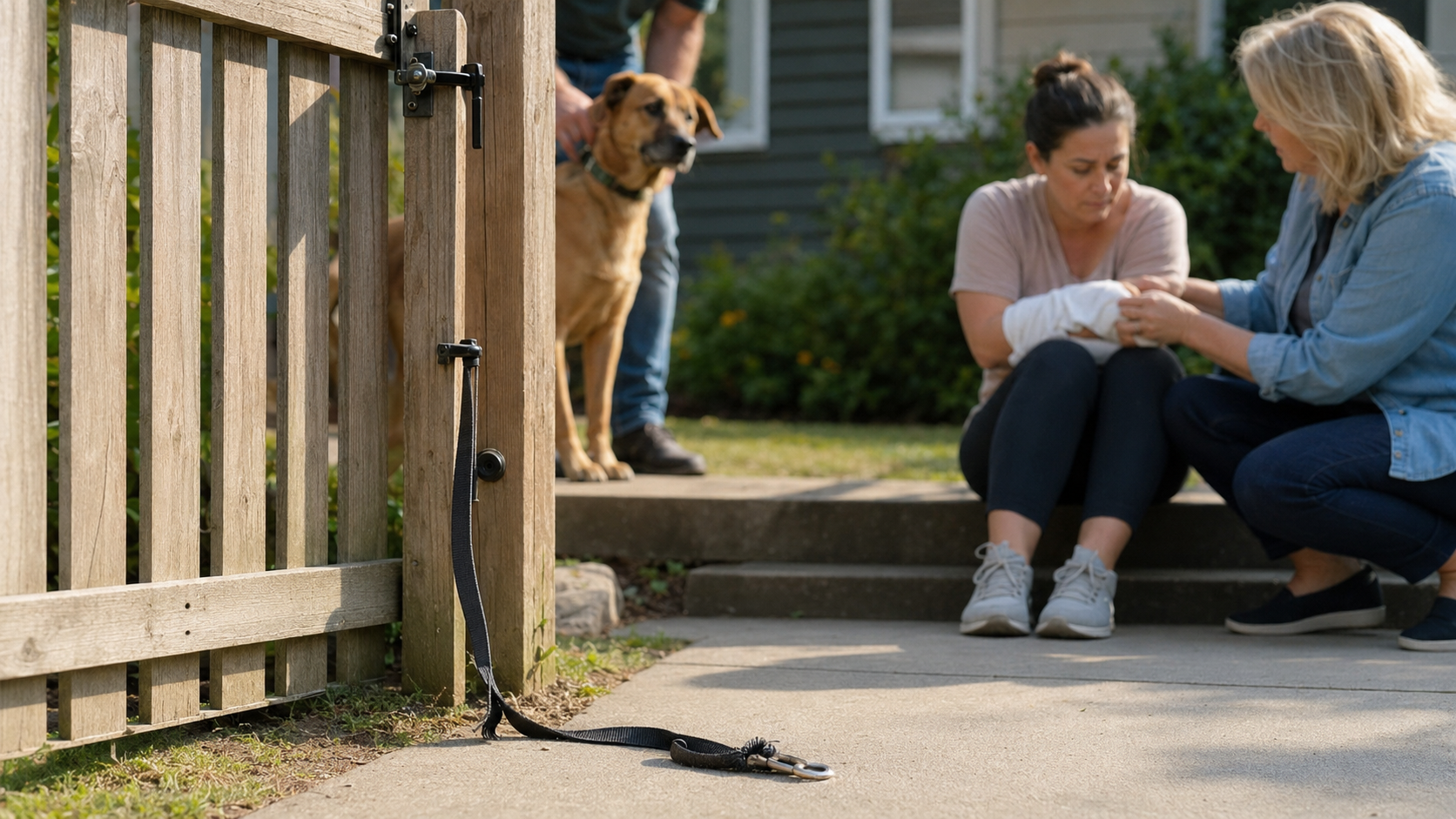

Why the Clock Starts Ticking the Instant You Fall
The timeline for a slip and fall lawsuit begins the second the accident happens. What you do in those first moments can shape your claim for a long time afterward. Many people make critical errors right after falling. They feel embarrassed, they leave without telling anyone, or they never document the scene.
Immediate steps to take after a fall:
First, report the fall to the responsible party. If you are in a business, tell management. On private property, contact the owner. Ask for written documentation and get a copy if one is available. This creates an official record of the incident.
Second, photograph everything at the scene. Capture the slippery floor, the broken steps, the poor lighting, your injuries, your footwear, and your clothing from several angles. Falls cause more than 8 million emergency room visits per year, which is one reason evidence matters so much.
Third, collect witness information right away. Witnesses disappear quickly and memories fade within days. A statement collected a week later carries more weight than one gathered months afterward.
Fourth, get medical attention the same day, even if you feel fine. Symptoms often show up days later. A record of immediate medical care strengthens your case and keeps insurance adjusters from using a treatment gap against you.
A critical mistake to avoid: do not post about your fall on social media. Insurance professionals routinely review injured people's Facebook and Instagram profiles. A post saying it was a crazy day but you are okay can be used to argue your injuries are not serious.
Documentation to preserve:
- Hospital receipts
- The shoes you were wearing during the fall
- A written account of how the incident happened, written while your memory is fresh
- Notes about the location, the floor conditions, any warning signs, and the time of day
Proving Negligence Is the Core of Every Slip and Fall Case
Negligence is the legal foundation of a slip and fall claim. Without proof of negligence, your medical expenses, your lost income, and your photos do not carry the case.
Four required elements of negligence:
- The property owner owed a duty of care to the public
- The owner breached that duty
- That breach caused your fall
- You suffered an injury as a result
Drop any one element and the claim fails.
Example scenario: a grocery store employee mops the floor without putting out a wet floor sign. You slip and tear a knee ligament. The store owed you a safe environment. It breached that duty by failing to warn you. That breach caused your fall and your injury.
Property owner defenses typically claim:
- You should have noticed the hazard
- You were distracted, for example looking at your phone
- The spill happened only minutes before you arrived
Texas follows a proportionate responsibility standard under Texas Civil Practice and Remedies Code section 33.001. If you are found more than 50 percent at fault, you recover nothing.
The strongest types of evidence include:
- Incident reports filed the day of the accident
- Maintenance records showing delayed repairs
- Eyewitness testimony about conditions before the fall
Liability can be established against property owners who ignore an existing condition for a long stretch of time. The legal question becomes whether a reasonable property manager would have noticed and corrected the danger.
A critical timing factor: the quicker you document a slip and fall accident in Dallas, the stronger your case is. Security footage gets recorded over, spills are cleaned up within minutes, and memories fade over time.
There Is a Specific Timeline for Each Step You Will Take When Filing a Dallas Slip and Fall Insurance Claim
The claim process is made up of several steps spread over weeks and months.
Step 1: Get medical care
Visit a doctor, urgent care, or the emergency room right away. Injuries often develop delayed symptoms. Medical documentation is critical evidence.
Step 2: Report the event
Notify the property manager or owner. Ask for a written accident report and keep a copy before you leave. This creates an official record on the premises.
Step 3: Document everything
Photograph the hazard, your injuries, and the surrounding conditions. Write down the details while they are fresh: the date, the time, the weather, and who was present. Your phone camera is enough.
Step 4: Consult an attorney
Speak with a lawyer before you talk to the insurance company. Insurance adjusters will call soon and sound sympathetic, but their actual job is to limit their company's liability. An attorney protects your rights from day one.
Step 5: Attorney investigation
Your lawyer gathers security video, maintenance files, and witness statements. The investigation looks at whether the property owner knew or should have known about the dangerous condition.
Step 6: Demand letter
Your attorney sends a formal letter outlining your injuries, your medical bills, and the compensation sought. The insurance company has a set period to respond. It may offer a settlement or reject the claim.
Step 7: File a lawsuit if necessary
Most claims settle through negotiation, but if you are not satisfied with the offer, your attorney can file suit. Texas law requires that a lawsuit be filed within two years under the statute of limitations. Filing creates leverage for serious negotiation, even though most cases still settle before trial.
Step 8: Reach resolution
You end up with either a negotiated agreement or a court judgment. Your lawyer presents any offer for your consideration, and you cannot be forced to accept it. The full process usually takes several months to more than a year, depending on how severe the injuries are, how responsive the insurance company is, and whether litigation becomes necessary.
Frequently Asked Questions
How long do I have to file a slip and fall lawsuit in Dallas?
Texas allows two years from the date of the accident to file a lawsuit. That is the statute of limitations, and Dallas courts enforce it strictly. Missing the deadline usually means losing your right to recover entirely. The clock starts on the day of the fall, not when you discover how severe the injury is. Talk to an attorney soon after your accident.
What is the first thing I should do after a slip and fall in Dallas?
Report the fall to the property owner or manager right away and ask for written documentation. Then photograph the exact location, the hazard, the floor conditions, your shoes, and your injuries. Dallas properties like grocery stores and parking lots fix problems quickly, so your photos may be the only proof the hazard existed.
Does Texas law affect how much money I can get from a slip and fall case?
Yes. The Texas proportionate responsibility rule in Texas Civil Practice and Remedies Code section 33.001 means that if you are found more than 50 percent at fault, you recover nothing. Insurance adjusters frequently argue that claimants were distracted or inattentive. Strong early evidence such as photographs and witness statements helps show that the property owner bears the greater share of responsibility.
Do I really need to see a doctor if I feel okay after a fall?
Yes, get medical attention the same day even if you feel fine. Injuries like herniated discs and soft tissue damage can show up days later. Dallas insurance adjusters scrutinize treatment gaps. Waiting a week to see a doctor invites the argument that your injuries are not serious. A same day visit creates a clear record connecting your injuries to the fall.
What is a common mistake people make after slipping and falling in a Dallas store or parking lot?
A major one is posting about the fall on social media, even a joking photo of a bruise. Insurance professionals routinely review Facebook and Instagram after an injury claim. Posts suggesting you are fine undermine the argument that you were seriously hurt and can damage your case.
What does proving negligence mean in a slip and fall case?
Proving negligence means showing four things: the property owner had a duty to keep you safe, they failed that duty, their failure caused your fall, and you suffered an injury. All four must be proven or the case fails. The evidence you gather right after the fall often determines whether each element can be established.